
Activities to keep children away from the screen
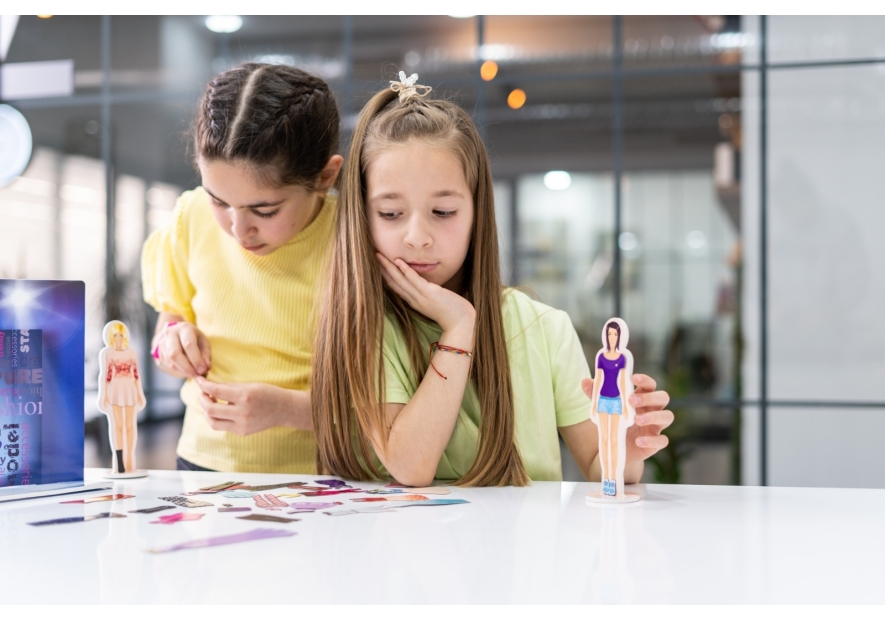
Today's parents had a childhood without tablets or phones, but with lots of play and fun. Today, finding a screen-free environment is as difficult as finding a needle in a haystack, but not impossible. It is only necessary to try to break the screen cycle we are trapped in, and to intend to get rid of the laziness brought by the screen. No matter how addicted children are to screens, when they get a taste of physical games and activities where there is imagination, struggle, team spirit and, to put it in fashionable terms, where it is possible to stay in the moment, they want to try them at least for a while.
Here are some suggestions for enjoying screen-free time with your child:
Cooking
Try it once and you might be surprised how enthusiastic children are about it. Depending on your child's age and development, you can choose the meal to be prepared and assign them the task of washing and chopping the vegetables or setting the table. During these preparations, you will not only teach your child about everyday life that he or she cannot learn on the screen or even at school, but you will also make him or her eat more appetizingly.
Yoga
We are not talking about perfect yoga poses here. The point is to try a few basic yoga poses together to gain fitness. You can see how even small children giggle with excitement as they try to stand like a tree, a cat, a cow and a shark. At the end, you can also try breathing in and out as deeply as if you were smelling a flower.
Stickers
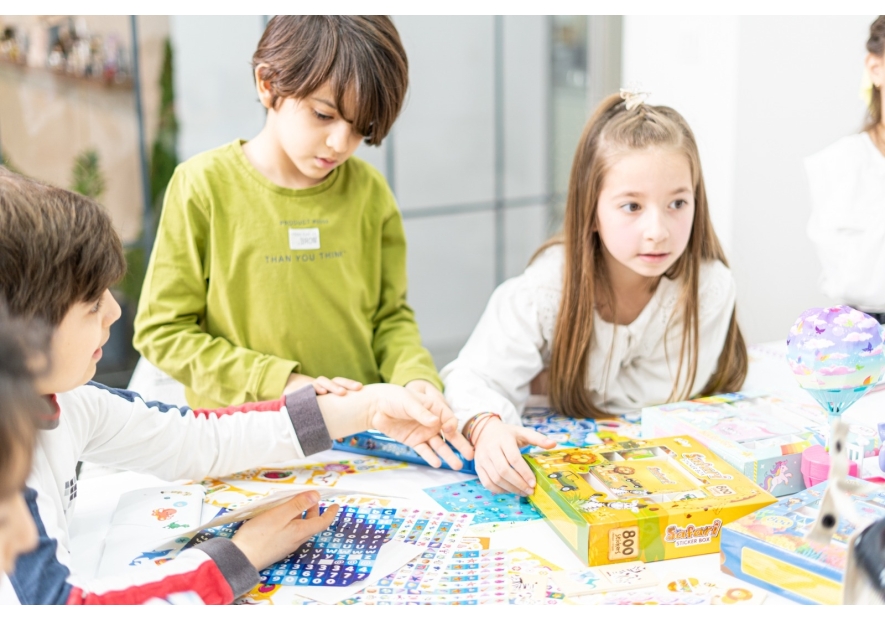
Take an ordinary plain paper, it can be wrapping paper or a notebook. Bring out the stickers and either tell a story, come up with a concept or just freely glue the stickers on. The secret is to encourage your child's imagination by asking questions while sticking the stickers. And all the while, you'll be contributing to their fine motor development.
Picture
It's a space where they can directly display their creativity. There are plenty of materials, if they get bored with pastels, they can switch to watercolors or dry paints, and you can make it more interesting by shaping the paper with scissors. Keep in mind that many children are unable to verbalize what is on their minds, but can express it through drawing.
Origami
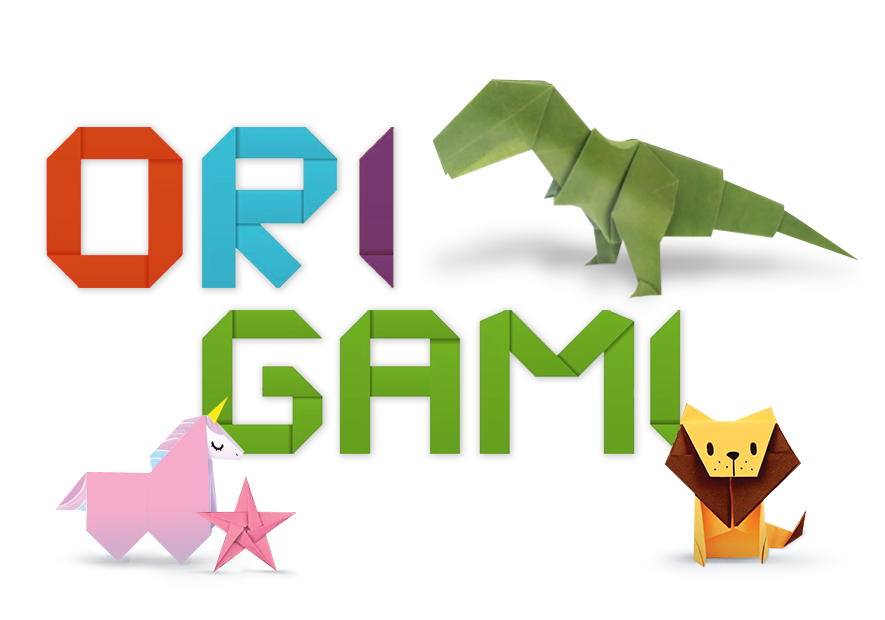
Traditional Japanese paper folding technique. The benefits of origami, which is even taught as a subject in Japan, are countless. It supports children's imagination and psychomotor development; makes math and geometry easier to understand; increases their ability to focus and stay in the moment; and strengthens their problem-solving skills.
Cloud analogy
A game you can play wherever you see clouds, no materials needed. Whether in the car, at school, at home... As long as there are clouds! You've probably played it before, you look at the sky and say what shape the clouds look like and write a little story about them.

Leave a comment